MASHEMEJI DERBY
Next match
2026-05-17 (tentative) · Moi International Sports Centre Kasarani, Nairobi
16:00 EAT
RIVALRY IN 60s
Historical Record
98
Total competitive meetings
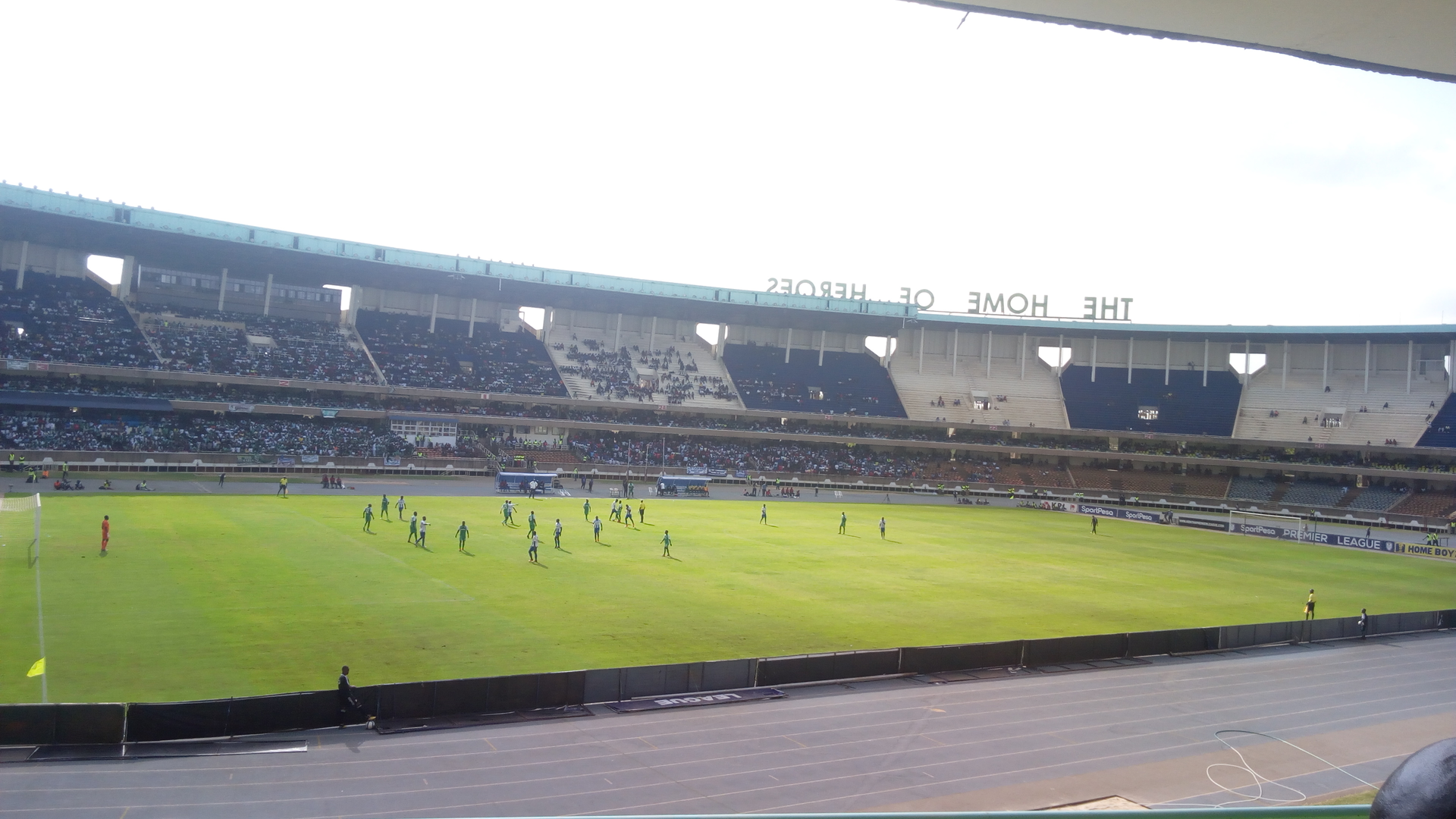
Gor Mahia vs AFC Leopards is the fixture that reorders Kenya. Matatu routes between Kibera and Kangemi change colours on derby day, Nairobi CBD sports bars open early, and the Moi International Sports Centre Kasarani fills hours before kick-off with K'Ogalo green and Ingwe blue. The word 'Mashemeji' is Swahili for 'in-laws', a reference to the historic Luo-Luhya intermarriage patterns that bind the two communities as much as the rivalry separates their football clubs.
The deeper layer is community. Gor Mahia are the pride of Kenya's Luo community, founded in 1968, named after a nineteenth-century Luo seer, and 20+ times champions of the Kenyan top flight. AFC Leopards carry the Luhya community, founded in 1964 as Abaluhya United, rebranded AFC Leopards in 1980, and 12+ times Kenyan champions. When these sides meet, the stadium songs cross between football chants and community anthems that predate the clubs themselves.
All-time record per Wikipedia's Mashemeji Derby article, across FKF Premier League / KPL, cup competitions and charity fixtures. Gor leads narrowly on wins; draws are almost as frequent as wins for either side. The KPL-era record is tight.
MEMORABLE NIGHTS
VIBRANCE OF KENYA
Gor Mahia fans, K'Ogalo, the house of Ogalo, wear green and white and sing almost exclusively in Dholuo. The pre-match jembe drum section sits in the Home End at Kasarani and Nyayo; its tempo rises and falls with the game state, a tradition traceable to the 1970s and the Benga music scene that originally soundtracked Gor matches. The chant 'K'Ogalo ochayo' ('the house of Ogalo has spoken') marks every Gor goal.
AFC Leopards fans, Ingwe, the leopard, wear blue and white and sing almost exclusively in Luhya dialects, with Bukusu, Maragoli, and Luhya-Kikuyu verses rotating through the chant book. The pre-match jembe on the Ingwe side answers the Gor drums in call-and-response that has become a Kenyan football tradition in its own right. Away travel between Nairobi and western Kenya fills the intercity bus routes on derby weekends.
Derby Chants & Traditions
Jembe drum call-and-response
Both home ends bring jembe drum sections to every Mashemeji Derby. The call-and-response between the Gor and Ingwe drummers begins 30 minutes before kick-off and has no fixed lyric sheet, drummers improvise based on the day.
K'Ogalo ochayo
Gor fans' signature chant, sung after every Gor goal. 'K'Ogalo ochayo' means 'the house of Ogalo has spoken' in Dholuo. The singing is led by the Home End and echoed across the stadium.
Ingwe leopard flag
AFC Leopards fans unfurl a 12-metre leopard flag across the Ingwe Home End at kick-off. The flag has been repaired and replaced four times since 1985 but carries the same design.
Post-match handshake line
The senior supporters' branches of both clubs formed an informal handshake line after the 2002 derby that ended in crowd incidents. The post-final-whistle handshake between the Home and Away end captains has continued for every Mashemeji Derby since.
Safety & Logistics
Wear neutral colours in Nairobi matatus on derby day. Kibera and Kangemi taxi ranks can be lively with colour-based chanting; once inside Kasarani or Nyayo, segregated blocks make colour display safe.
Segregation is enforced at both Moi International Sports Centre Kasarani and Nyayo National Stadium. Away supporters enter through designated Gate 3. Do not cross into the wrong block, the Football Kenya Federation stewards apply strict seating protocol.
The National Police Service deploys around 800 officers at Mashemeji Derbies at Kasarani and 600 at Nyayo. Comply with any direction; post-2019 crowd-control protocol is strict after incidents at earlier KPL fixtures.
In Nairobi: avoid the Ngara and River Road areas 2 hours before and after kick-off. Use the SGR or registered Uber / Bolt to Kasarani rather than matatu crushes. Nyayo National Stadium is walkable from the Nyayo Estate side, less so from Upper Hill.
Keep phone and cash separate. Both stadiums have a documented pickpocket problem at turnstile crushes. Use M-Pesa rather than carrying cash; the Tikiti ticketing platform supports mobile payment end-to-end.
Kenya Red Cross + St John Ambulance run on-site trauma clinics at every Mashemeji Derby. Free for emergency cases; defibrillators at each main entrance. The 1990s stadium-crush incidents led to the permanent medical-post protocol now in place.
Moi International Sports Centre Kasarani
Nairobi · Capacity: 60,000
Kasarani is the default marquee-fixture venue for the Mashemeji Derby, with a 60,000 capacity and the best broadcast infrastructure in Kenya. Nyayo National Stadium (30,000 capacity) hosts the alternate-leg derby each season and was historically the primary venue before the Kasarani upgrade. Venue selection often shifts within the season based on FKF scheduling.
WHERE TO WATCH
StarTimes World Football · KBC Channel 1 (free-to-air selected matches) · SportPesa TV
SuperSport (DStv), selected Mashemeji Derbies since 2019
StarTimes ON app · DStv Now international (account required)
StarTimes ON app · SuperSport USA selected fixtures
FKF Premier League YouTube channel · Tikiti live stream bundle (match ticket + stream package)
TICKETS
Tikiti Kenya, Mashemeji Derby Portal
The FKF and the two clubs manage Mashemeji Derby ticketing via Tikiti.co.ke and the clubs' own M-Pesa channels. Prices range KES 300 (basic terraces) to KES 5,000 (VIP hospitality). Derby-day tickets typically release 3–4 weeks before kick-off and sell out within 10–14 days.
Buy on official siteExpect a premium
Expect 2–3× normal FKF Premier League pricing on Mashemeji Derby day. Basic terrace seats cost KES 300 for an ordinary league fixture but KES 500–1,000 for Gor vs AFC Leopards. VIP hospitality at Kasarani runs KES 3,000–5,000 and sells out 2–3 weeks in advance. The televised 2020 behind-closed-doors derby did not raise pricing, but every post-lockdown derby has done so.
RECENT FORM
Gor Mahia
AFC Leopards
Read More On This Derby
Quick FAQ
What does 'Mashemeji Derby' mean?
'Mashemeji' is Swahili for 'in-laws'. The name frames the Gor Mahia vs AFC Leopards fixture as a family-rivalry derby, in reference to the historic intermarriage patterns between Kenya's Luo community (which backs Gor Mahia) and the Luhya community (which backs AFC Leopards). The fixture is also called the Ingo-Dala Derby in some Luhya-language coverage.
When was the Mashemeji Derby first played?
5 May 1968, the founding year of Gor Mahia. Abaluhya United (AFC Leopards' original name) had already existed since 1964. The two clubs have met continuously every season since, reaching approximately 98 meetings across all competitions per Wikipedia's Mashemeji Derby article.
Related
Frequently Asked Questions
What does 'Mashemeji Derby' mean?
When was the Mashemeji Derby first played?
Who has won the Mashemeji Derby more times?
Where is the Mashemeji Derby played?
How much do Mashemeji Derby tickets cost?
How do I buy Mashemeji Derby tickets?
Where can I watch the Mashemeji Derby live?
Who are the most celebrated scorers in the Mashemeji Derby?
Is it safe to attend the Mashemeji Derby?
Last updated 2026-04-22 · written by Zuri Omondi. · Reviewed by Ọmọlàgbà Olúwáyẹmí